

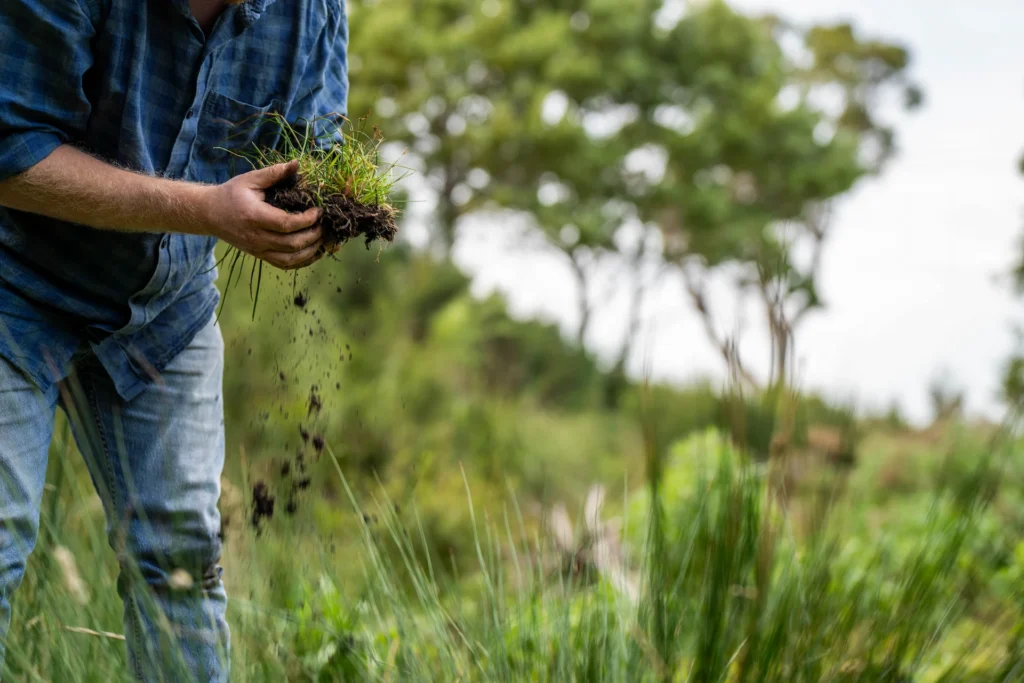
After a harvest, one of the most important factors that affect next season’s yield is already sitting in your field. Crop residue isn’t just the “trash” left in the field; it is a biological goldmine. Through the process of mineralization, soil microbes convert stalks and leaves into plant-available nutrients and stable organic matter, fueling future yields and long-term soil health.
As the combines leave the field and the dust settles, the focus of the growing season shifts from the visible crop to the invisible biological processes occurring beneath the soil surface. Post-harvest management goes beyond clearing the deck for next year and includes managing a massive biological “bank account” of nutrients tied up in stalks, leaves, and roots.
The bridge between this year’s residue and next year’s yield is the process of mineralization. Understanding this transition is essential for growers looking to maximize nutrient efficiency and build long-term soil health.
How Mineralization Works
Mineralization is the biological process where soil microorganisms, primarily bacteria and fungi, break down organic compounds in crop residue and convert them into inorganic, plant-available forms.
When residue hits the soil, it isn’t immediately useful to the next crop. It must first be “processed” by the soil microbiome. This cycle involves several key stages:
- Physical Breakdown: Weathering and soil organisms (such as earthworms) break down the residue into smaller pieces, increasing the surface area for microbes to attack.
- Microbial Decomposition: Soil microbes consume the carbon in the residue for energy, using nitrogen and other nutrients to build their own cellular structures.
- Nutrient Release: As these microbes complete their life cycles and die, the nutrients they “borrowed” are released back into the soil solution as ions (such as ammonium or phosphate) that roots can absorb.
The Role of Carbon Sequestration
The fate of crop residue also dictates the “wealth” of your soil’s organic matter. Carbon sequestration in soil occurs when a portion of the carbon from crop residue is converted into stable organic matter rather than being lost to the atmosphere as CO2.
Strategic residue management influences soil carbon sequestration by ensuring an efficient breakdown. When microbial activity is balanced, more carbon is “fixed” into the soil matrix, improving soil structure, water-holding capacity, and long-term fertility.
Factors Influencing Residue Breakdown
The speed and efficiency of mineralization depend on the environment provided to the soil biology:
- C:N Ratio: Corn stalks (high carbon) break down more slowly than soybean residue (lower carbon). High-carbon residue can often “tie up” nitrogen temporarily as microbes work to break it down.
- Soil Moisture and Temperature: Microbes are most active in warm, moist conditions. In cold or bone-dry soils, mineralization can grind to a halt.
- Microbial Diversity: A “tired” soil with low microbial populations cannot efficiently process residues, leading to “trash” that persists for years without contributing nutrients.
Optimizing Post-Harvest Performance with Pharmgrade
To ensure that crop residue becomes an asset rather than a bottleneck, growers can use biological catalysts to jumpstart the mineralization process.
- Exponent: This triple-action microbial inoculant is designed to maximize soil biology. By introducing a broad spectrum of aerobic and facultative bacteria alongside Trichoderma fungi, Exponent accelerates the breakdown of tough cellulose and lignin.
- Slingshot: For growers utilizing dry fertilizer systems, Slingshot provides a concentrated dry inoculant that enhances nutrient cycling and soil health.
- Nitros: While mineralization releases nitrogen, Nitros helps maintain the nitrogen cycle by enhancing the soil’s ability to fix atmospheric nitrogen, ensuring the microbial “workforce” stays fueled.
Making Crop Residue Work for Your Soil
Crop residue is not “waste.” It is the foundation for next year’s productivity. By focusing on mineralization and supporting the soil microbiome, growers can turn harvest leftovers into a powerhouse of nutrient availability and soil carbon sequestration.
By using advanced biologicals like those in the Pharmgrade lineup, you can ensure your soil remains active and productive long after the last acre is cut.
Frequently Asked Questions
Q: How long does it take for crop residue to fully mineralize?
It varies by crop and climate, but typically 30% to 70% of residue minerals are within the first year. High-carbon residues like corn stalks take longer than legumes.
Q: Does tilling speed up mineralization?
Tillage can speed up the initial physical breakdown by increasing soil contact, but excessive tillage can also disrupt the fungal networks necessary for long-term carbon sequestration in soil.
Q: Can I speed up residue breakdown in the fall?
Yes. Applying a biological catalyst, such as Exponent, immediately post-harvest, introduces the specific microbes needed to digest lignin and cellulose before the ground freezes.
Ready to Unlock Your Soil’s Potential?
Don’t let your nutrients sit idle on the surface this winter. Contact a Pharmgrade expert today to learn how our full product lineup can accelerate your residue breakdown and set the stage for a record-breaking spring.


